
The mistake I see most people make when they start prepping for natural disasters is planning for one big event.
They picture “the disaster” as a single defining moment. The hurricane. The winter storm. The one bad night that everything else revolves around. They build their supplies around that one story and consider themselves ready.
That’s not the situation any of us actually live in.
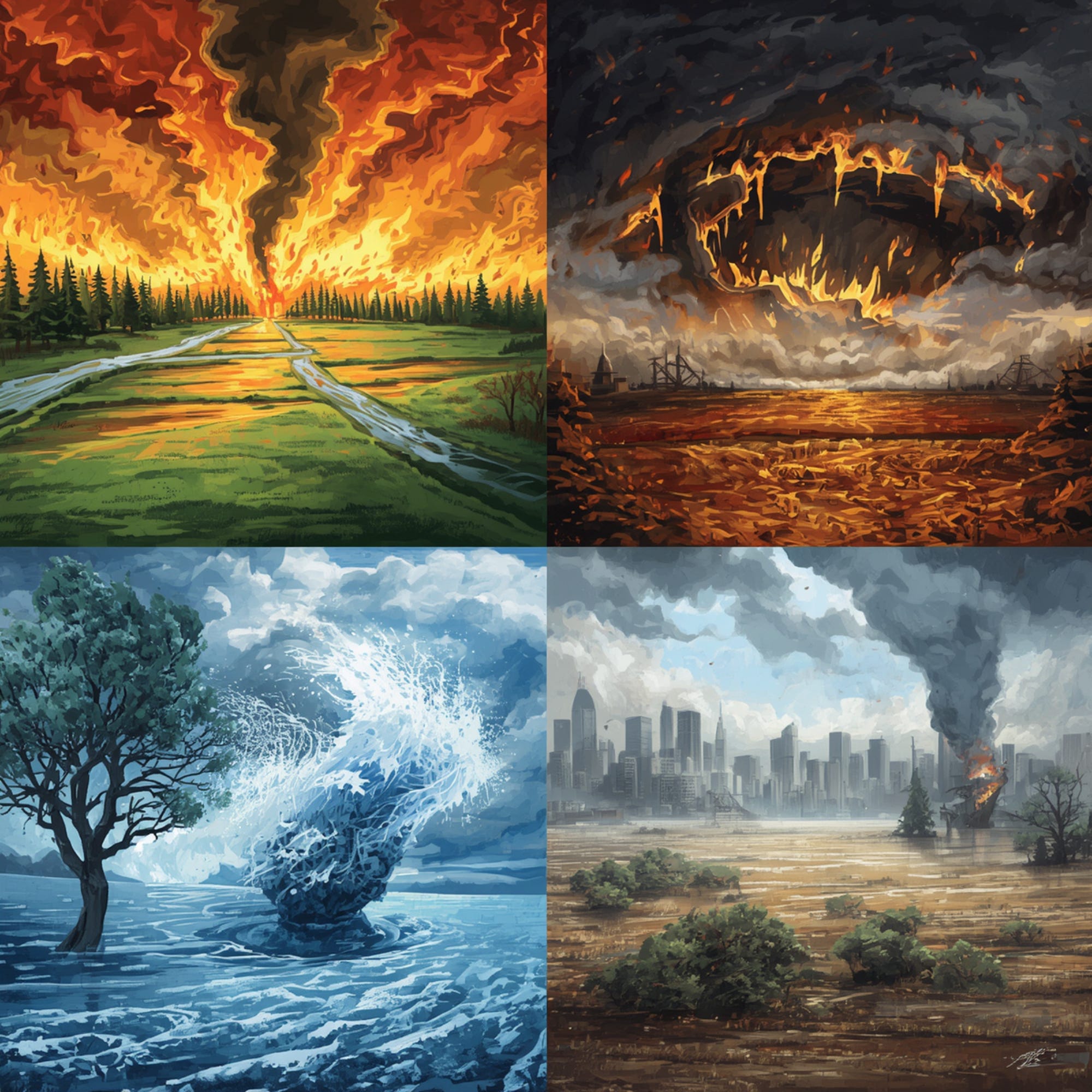
Central Texas doesn’t have one disaster season. It has four. Each comes with different threats, different timelines, and different failure modes. If you’re only prepared for one of them, you’re only prepared a quarter of the year.
I spent 25 years in the Army, and one of the things the military teaches you early is that assessing a situation matters more than any specific plan. The framework we used was METT-TC — mission, enemy, terrain, troops, time, civilian considerations. The point wasn’t to memorize an acronym. The point was to force yourself to look honestly at what you’re actually facing before you decided what to do about it.
Prepping works the same way. Before you buy anything, look honestly at your calendar.
Spring: Tornado and flash flood
March through May is the season most people underestimate.
Tornadoes are the obvious hazard. Bell, McLennan, Coryell, Williamson counties — we’re on the eastern edge of what used to be called Tornado Alley. Warnings run through April and May. Most of us have had to sit in a hallway with a mattress at some point.
The one that gets less attention is flash flooding. The Hill Country west of I-35 is called “Flash Flood Alley” for a reason — the terrain funnels rain into steep, narrow drainages that can rise ten feet in an hour. A dry creek bed at breakfast can be a river by dinner. Turn around, don’t drown isn’t a bumper sticker slogan. It’s what actually kills people every spring.
Season adds: NOAA Weather Radio with tone-alert. A designated interior shelter room in your house. Vehicle emergency kit if you commute anywhere near Hill Country creek crossings. Sandbags if you’re on low ground.
Summer: Heat and Gulf remnants
June through September is the season we take for granted because we’re used to it.
Extreme heat kills more Americans than any other weather event. In Texas, three-week stretches over 105 aren’t unusual anymore. A grid failure during one of those stretches — a substation transformer, a line problem, an overloaded system — turns an ordinary day into a medical emergency for anyone elderly, ill, or physically vulnerable. This is the disaster that doesn’t feel like a disaster until people start dying.
Hurricane remnants roll inland from the Gulf in August and September. By the time they reach Central Texas they’ve lost most of their punch, but they still bring flooding rain, tornado spin-offs, and days-long power outages. Harvey dumped historic rainfall on this state in 2017 and reminded everyone how far inland Gulf weather actually reaches.
Season adds: Battery-powered fans. Solar chargers you’ve actually tested. Ice-making capacity beyond your fridge. A contingency plan for anyone in your family who’s temperature-vulnerable if the grid drops. A vehicle you’ve confirmed you can sleep in overnight if needed.
Fall: Late hurricane and wildfire
September through November is a transition period with its own hazards.
Late-season hurricanes are still in play through October. But the hazard people don’t associate with Texas is wildfire. Dry autumns, dead vegetation from summer heat, and one dropped cigarette in the wrong pasture is all it takes. The 2011 wildfire season burned millions of acres across Texas and destroyed thousands of homes. It’s not a rare event.
Season adds: Defensible space around your home — cleared brush, cut grass, trimmed low branches. N95 masks for smoke exposure. A go-bag actually loaded and by the door in case you have twenty minutes to evacuate.
Winter: Freeze and ice storm
December through February brings the disaster that finally made Texans take this seriously.
I covered the water side of the 2021 storm in an earlier post, so I won’t relitigate it. What matters here is that Uri was not a one-off — Central Texas has had significant hard freezes multiple times in the last decade, and the grid is not meaningfully more resilient now than it was then. Assume the next one is coming.
Winter storms compound their damage over time. Day one is inconvenient. Day three is dangerous. Day seven is a crisis. Every prep decision has to survive that timeline.
Season adds: Alternative heat source (kerosene heater with proper ventilation, propane heater rated for indoor use, wood stove if you have one). Extra blankets and cold-weather gear inside the house, not the shed. A plan for pipes. Food that doesn’t require the stove to prepare.
The universal kit
All four seasons share the same base kit. Build this once and it works year-round.
Water: one gallon per person per day, minimum 30 days
Non-perishable food: two weeks minimum, food that’s easy to eat under stress
Real first-aid kit plus a trauma kit (see my earlier post)
Flashlights, batteries, headlamps
NOAA Weather Radio, hand-crank or battery
Multi-tool
Cash in small bills — ATMs don’t work when the grid doesn’t
Documents in a waterproof container: IDs, insurance, deeds, medical
Phone chargers with battery backup
A written family plan everyone has actually read
The seasonal adds sit on top of this. You don’t rebuild the kit every quarter — you rotate the extras.
The discipline that makes all of it work
Every plan I’ve ever seen fail failed the same way: it existed on paper and never got practiced.
Do the assessment. Build the base kit. Add for the season. Then run a drill — actually walk through what your family would do in a tornado warning, a flood evacuation, a summer grid failure, a winter storm at day seven. Twenty minutes, once a quarter. It’s the difference between a plan and a shelf of supplies.
Where to start this week
Look at your calendar. Which season are you in? Which is next?
Check your kit for the season you’re currently in. What’s missing?
Pick one seasonal add for the next 90 days and get it done.
Sit down with your family this weekend and walk through the plan out loud. Not on paper. Out loud.
Central Texas didn’t choose its geography. But we get to choose whether we’re ready for what our geography actually delivers.
Stay ready,
Jim
